

Ventresca
What is ventresca?
The most exquisite part of the tuna.
Ventresca is the most delicate and prized part of the tuna. It comes from the lower part of the fish, around the belly and close to the head. Its naturally higher fat content gives it a richer, finer and more delicate flavour than other cuts of the fish.
At Conservas Rias Baixas, we are proud to have become one of Spain’s leading producers of this speciality. Each piece is carefully cleaned, separated into delicate layers and packed by hand, resulting in an exceptional product available in a wide range of formats.
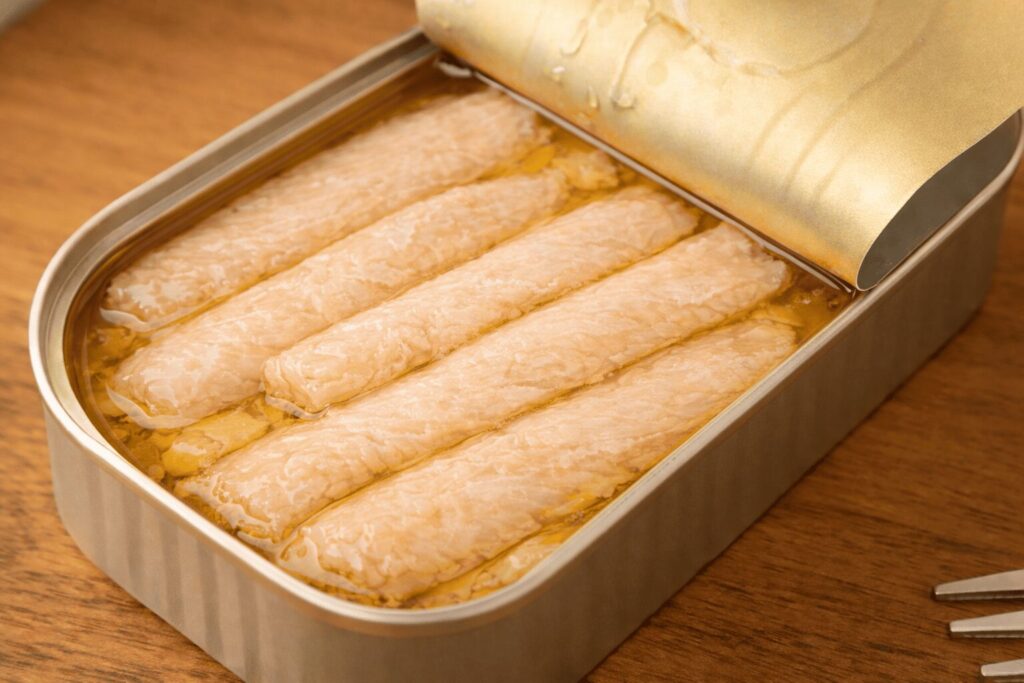
Our Tinned Ventresca
At Conservas Rias Baixas, we prepare our tuna belly traditionally, cleaning every piece by hand and paying particular attention to its presentation. The result is a tender, succulent preserve that can be enjoyed straight from the tin or used as an ingredient in more elaborate dishes.
| REFERENCIA | FORMATO | PESO NETO | PESO ESCURRIDO | LATAS/CAJA | ENLACE |
|---|---|---|---|---|---|
| VENTRESCA DE BONITO EN ACEITE DE OLIVA | RR-125 F.A. | 120 GR. | 75 GR. | 57 | ficha técnica |
| VENTRESCA ATÚN CLARO EN ACEITE DE OLIVA | RR-125 F.A. | 120 GR. | 75 GR. | 57 | ficha técnica |
| VENTRESCA ATÚN CLARO EN ACEITE DE OLIVA | RO-250 | 241 GR. | 157 GR. | 48 | ficha técnica |
| VENTRESCA ATÚN CLARO EN ACEITE DE GIRASOL | RO-500 | 475 GR. | 310 GR. | 24 | ficha técnica |
| VENTRESCA ATÚN CLARO EN ACEITE DE GIRASOL | RO-900 | 850 GR. | 555 GR. | 12 | ficha técnica |
| VENTRESCA ATÚN CLARO EN ACEITE DE GIRASOL | RO-1000 | 990 GR. | 650 GR. | 12 | ficha técnica |
| TROZOS VENTRESCA ATÚN CLARO EN ACEITE DE GIRASOL | RR-125 F.A. | 120 GR. | 75 GR. | 50 | ficha técnica |
| TROZOS VENTRESCA ATÚN CLARO EN ACEITE DE GIRASOL | RO-900 | 850 GR. | 555 GR. | 12 | ficha técnica |
Frequently Asked Questions About Ventresca
What is ventresca?
Ventresca is the tender belly section of a tuna. It comes from the lower part of the fish, close to the head, and contains a naturally higher proportion of fat than leaner cuts – giving it its characteristic rich flavour, delicate layers and succulent texture.
What part of the tuna is ventresca?
Ventresca comes from the lower abdominal part of the tuna, around the belly. In English, it can be explained as tuna belly, although the Spanish gastronomic term ventresca is retained because it refers specifically to this prized cut.
What is the difference between ventresca and ordinary tinned tuna?
The main difference is the cut of the fish. Ventresca comes from the fatty belly area rather than the leaner sections generally used in standard tinned tuna, making its flesh softer, more succulent and more delicate.
What is the difference between albacore and yellowfin ventresca?
They come from different tuna species. We produce both albacore tuna ventresca and yellowfin tuna ventresca, depending on the product reference – the exact species and type of oil are indicated for each product.
Can ventresca be eaten straight from the tin?
Yes. Ventresca is particularly well suited to eating straight from the tin because of its delicate flavour and soft texture – best served carefully so that its natural layers remain intact.
Ventresca: A Select Cut
of Oily Fish
Ventresca shares the nutritional qualities associated with oily fish. It is rich in high-quality protein, polyunsaturated fatty acids such as omega-3, phosphorus and essential vitamins from groups B and D.
At Conservas Rias Baixas, we process around 3 tonnes of ventresca every day, making us one of the leading producers of this speciality in Spain. Every piece is cleaned, carefully separated into layers and packed by hand by an experienced team that pays attention to even the smallest detail.
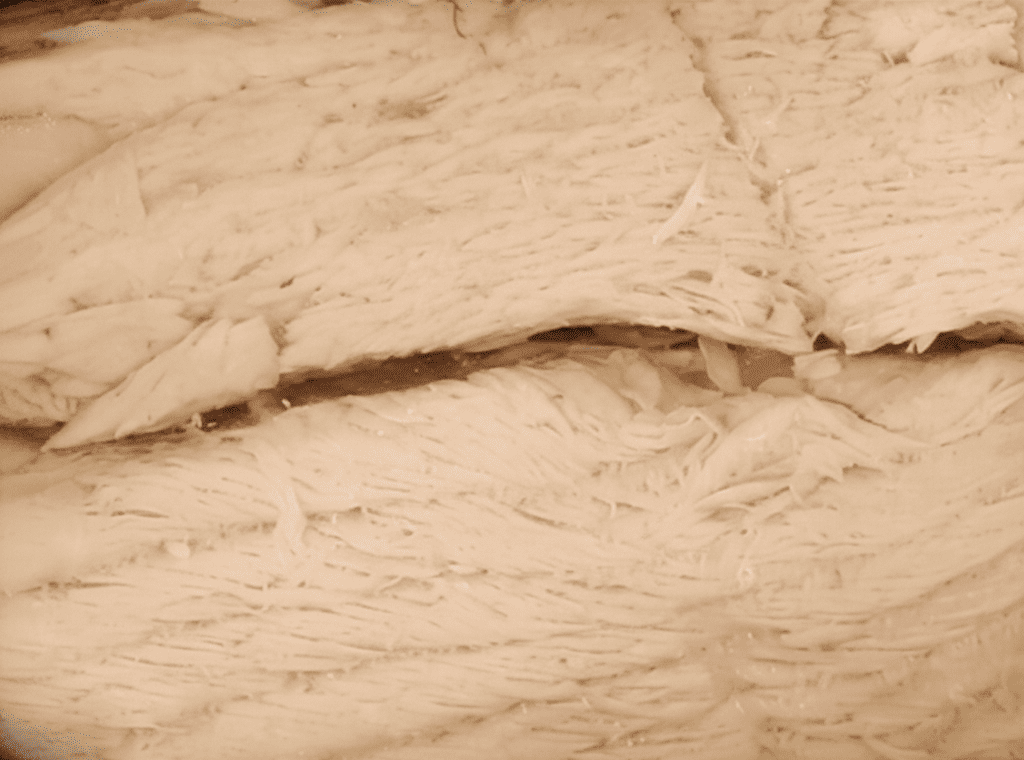
Three Qualities That Make Ventresca Special
Valued for combining three essential qualities:
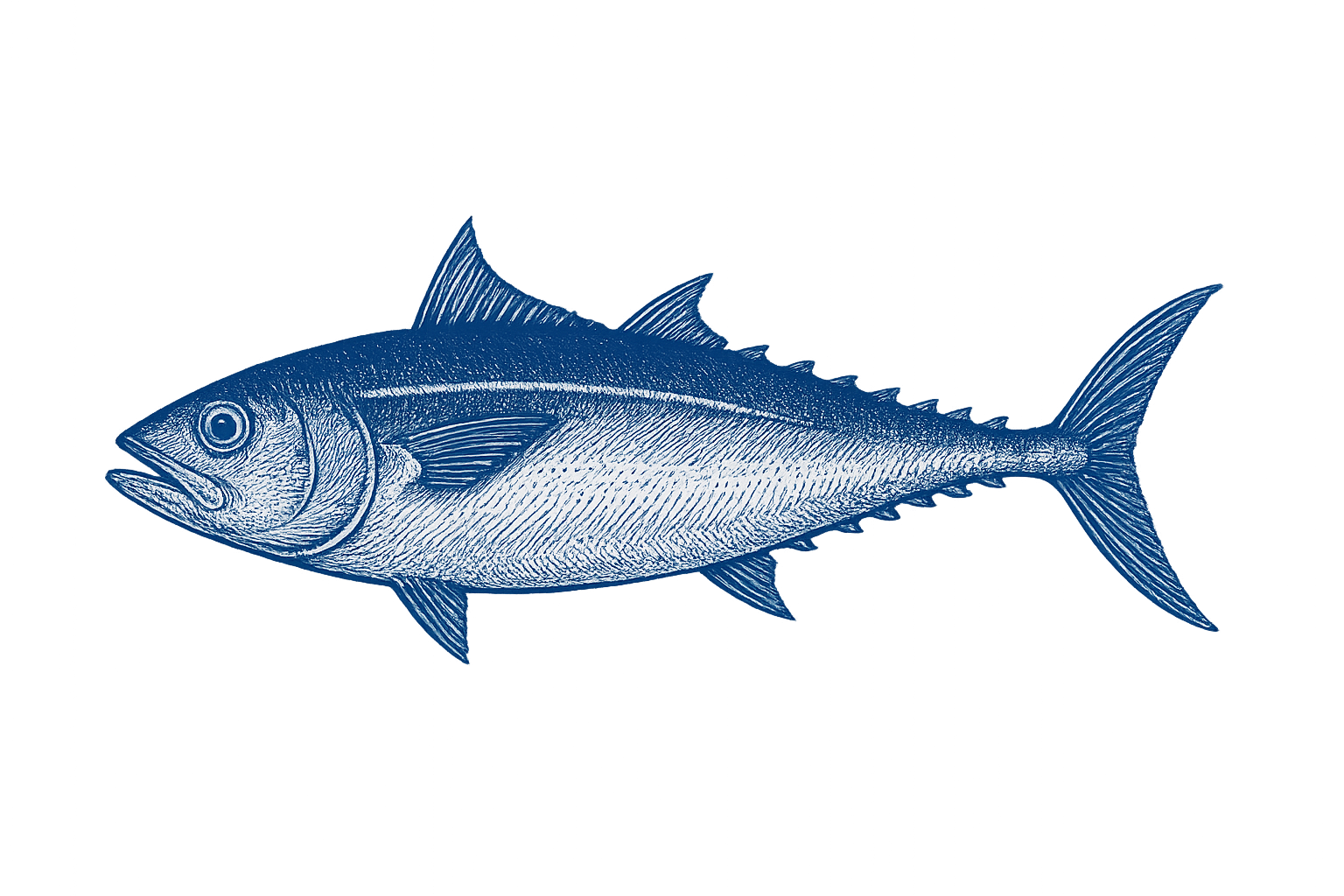
Fine, elegant flavour
Soft, succulent texture
High nutritional value
Nutritional Properties of Ventresca
Beyond its flavour, ventresca is a valuable natural source of nutrients.

Ventresca in
Spanish Haute Cuisine
Ventresca is synonymous with culinary elegance and has become one of the favourite ingredients of some of Spain’s most renowned chefs.
It comes from the lower part of the tuna, around the belly, an area naturally rich in fat that gives the flesh exceptional succulence and a delicate flavour.
At Conservas Rias Baixas, we prepare it with great care, separating each piece into layers by hand, packing it manually and preserving it in olive oil, so you can also use it in your favourite recipes.
How to Eat
Tinned Ventresca
Because of its delicate flavour and texture, tinned ventresca works best in dishes where the fish itself remains the main ingredient.